

Volleyball shoes pre
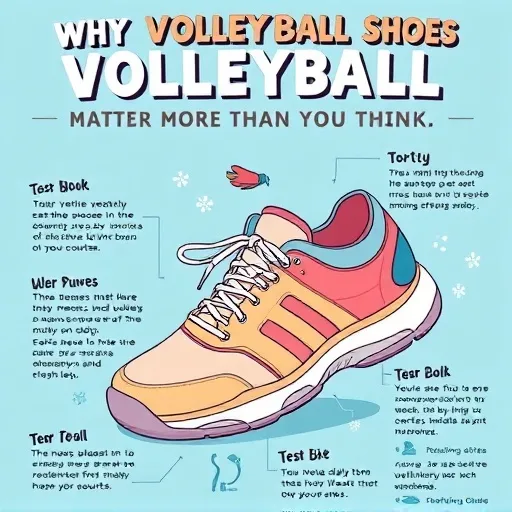
Why Volleyball Shoes Matter More Than You Think
Let's be real—volleyball shoes aren't exactly the sexiest topic in sports gear. But here's the thing: if you're playing in the wrong footwear, you're basically begging for an injury. Volleyball is absolutely brutal on your body. You're exploding into jumps, slamming down on hard courts, diving for digs, pivoting on a dime, and sprinting—all within seconds of each other. Unlike running, where your body moves in a pretty predictable forward line, volleyball forces you into multi-directional chaos. Your volleyball shoes need to handle lateral cuts, those split-second direction changes, and the relentless pounding of jumping and landing on unforgiving surfaces.
Here's an analogy that hits home: wearing random athletic sneakers or running shoes for volleyball is like wearing flip-flops on a mountain hike. Could you survive? Maybe. But you're stacking the odds against yourself. Dedicated volleyball shoes are built with purpose—reinforced lateral support, killer shock absorption in the forefoot and heel, and grippy outsoles engineered specifically for indoor court surfaces.
Industry folks will tell you the same thing year after year: the biggest mistake players make is choosing style over function. A flashy pair of kicks might get compliments, but if there's no real ankle support or cushioning? You'll feel it every single time you step on the court.
1. Cushioning and Shock Absorption Technology in Modern Volleyball Shoes
Every single jump you take sends force ripping through your body—roughly three to five times your body weight when you land. Do that hundreds of times across a match or practice, and the math gets scary fast. Quality cushioning technology—whether it's gel-based, foam-based, or air-based—helps dissipate that impact and protects your joints from taking a beating.
In 2026, we're seeing a massive surge in responsive cushioning materials that actually return energy with every step. These aren't just about comfort; they genuinely help you jump higher and move faster by cutting down energy loss. Some top-tier volleyball shoes now feature proprietary foam formulations that keep their bounce alive even after months of heavy use.
2. Lateral Support and Stability Features Every Player Needs in Volleyball Shoes
Volleyball players move side to side constantly—it's basically the name of the game. A shoe that doesn't deliver adequate lateral support can lead to ankle rolls, which happen to be one of the most common injuries in the sport. Look for volleyball shoes with reinforced side panels, a wider base for stability, and a firm heel counter that locks your foot in place.
Some designs incorporate TPU shanks or stability plates that prevent the shoe from twisting during aggressive lateral movements. These features matter most for players in positions requiring frequent blocking and defensive digs—the ones putting their volleyball shoes through the wringer every game.Artistree Live
3. Grip and Traction: Why Outsole Design Makes or Breaks Your Volleyball Shoes
Indoor volleyball courts typically have wooden or synthetic surfaces. Your outsole needs to grip these surfaces firmly without leaving marks behind. Gum rubber outsoles are the gold standard for indoor courts, offering excellent traction and non-marking properties.
The tread pattern matters too. Herringbone patterns are popular for their versatility, while circular or pivot-point patterns help with quick rotations. If you play on multiple surfaces, consider volleyball shoes with adaptable traction or invest in court-specific options.
4. Fit and Comfort: Getting the Right Volleyball Shoes for Your Foot Shape
A shoe can have all the tech in the world, but if it doesn't fit your foot properly, it's useless. Volleyball shoes should fit snugly but not tightly, with about a thumbnail's width of space between your longest toe and the front of the shoe.
Think about your foot shape: do you have wide feet, narrow feet, high arches, or flat feet? Many brands now offer different width options and customizable insoles. Don't be shy about trying on multiple pairs and walking around—or better yet, jump and pivot—before committing to your volleyball shoes.
5. Breathability and Weight: Keeping Your Feet Fresh in Volleyball Shoes
Volleyball is intense. Your feet will sweat—a lot. Breathable mesh uppers allow air circulation, keeping your feet dry and reducing the risk of blisters and fungal issues. Lightweight materials also reduce fatigue, letting you stay quick on your feet through long matches.
That said, don't sacrifice durability for weight. A super-light pair of volleyball shoes that falls apart after a month isn't a good investment. Look for a balance—shoes that feel light on your feet but show quality construction and materials.
Indoor Court Shoes vs. Beach Volleyball Shoes: Picking the Right Volleyball Shoes for Your Game
Indoor volleyball shoes are the most common, designed specifically for wooden or synthetic indoor courts. They feature gum rubber outsoles, excellent cushioning, and strong lateral support. If you play indoor league or recreational volleyball, this is your category.
Beach volleyball shoes need to handle sand, sun, and uneven terrain. They typically have more durable outsoles with deeper treads for grip on sand, and they're designed to drain water quickly. Some players prefer to play barefoot on sand, but supportive volleyball shoes can protect against injuries and provide better stability.
Some players opt for cross-training shoes that work for multiple sports. While these can be a decent option if you play various activities, they often lack the specialized lateral support and cushioning that dedicated volleyball shoes provide. If volleyball is your primary sport, invest in volleyball-specific footwear.
Matching Volleyball Shoes to Your Player Level and Playing Style
If you're new to volleyball or play casually, you don't need the most expensive, high-tech volleyball shoes on the market. Focus on comfort, adequate cushioning, and good traction. A mid-range pair from a reputable brand will serve you well without breaking the bank.
As you play more frequently and at higher intensity, your footwear needs become more specialized. Look for volleyball shoes with advanced cushioning systems, superior lateral support, and durable construction. Consider your playing style too—if you're a libero who dives constantly, you need shoes with reinforced toe caps and abrasion-resistant materials. If you're a middle blocker who jumps repeatedly, prioritize maximum cushioning and energy return.
At the elite level, every detail matters. Professional players often have multiple pairs of volleyball shoes for different court conditions and even different phases of training. If you're competing at a high level, don't hesitate to invest in premium footwear. The performance benefits and injury prevention are worth the cost.
How to Care for Your Volleyball Shoes and Make Them Last Longer
Proper maintenance extends the life of your volleyball shoes and keeps them performing at their best. Here are some practical tips:
- Air them out after every use. Don't leave sweaty volleyball shoes crammed in a bag. Let them dry completely to prevent bacteria growth and odor.
- Clean the outsoles regularly. Dirt and dust reduce traction. Wipe them down with a damp cloth after outdoor use or dusty courts.
- Avoid washing machines. The agitation and heat can break down adhesives and cushioning materials. Hand wash with mild soap and water if needed.
- Rotate between pairs. If you play frequently, having two pairs of volleyball shoes in rotation gives each pair time to recover and extends overall lifespan.
- Replace when needed. Most volleyball shoes last 6-12 months with regular play. If the cushioning feels flat, the tread is worn, or you're experiencing new foot pain, it's time for a new pair.
Common Mistakes to Avoid When Buying Volleyball Shoes in 2026
Buying based on looks alone. We get it—aesthetics matter. But performance should come first. A shoe that looks amazing but lacks support will let you down when it counts.
Wearing running shoes. Running shoes are designed for forward motion. They lack the lateral support and court-specific traction that volleyball shoes require. Don't do it.Artistree Live
Ignoring fit for brand loyalty. Just because you love a certain brand's basketball shoes doesn't mean their volleyball line will work for you. Every sport has different demands, and every foot is unique.
Skipping the break-in period. New volleyball shoes need time to mold to your feet. Wear them around the house or for light training before jumping into a competitive match.
Not replacing worn-out shoes. Playing in dead volleyball shoes is a recipe for injury. Set a reminder to evaluate your footwear every few months.
What's New in Volleyball Shoes for 2026: Sustainability, Smart Technology, and More
The volleyball shoe market continues to innovate. Here's what we're seeing this year:Artistree Live
- Sustainability focus. More brands are using recycled materials, eco-friendly dyes, and sustainable manufacturing. Players increasingly want gear that aligns with their values.
- Smart technology integration. Some high-end volleyball shoes now include sensors that track jump height, court coverage, and other performance metrics. These insights help players and coaches optimize training.
- Customization options. From personalized insoles to customizable colorways, brands are offering more ways for players to tailor their volleyball shoes.
- Enhanced breathability. New mesh materials and ventilation designs keep feet cooler and drier, even during intense matches.
- Improved durability. Advanced materials and construction techniques are making volleyball shoes last longer without sacrificing weight or performance.
FAQ: Your Top Questions About Volleyball Shoes Answered
How often should I replace my volleyball shoes? It depends on how often you play and the intensity of your sessions. If you play 2-3 times per week, expect to replace your volleyball shoes every 6-9 months. Competitive players training daily might need new shoes every 3-4 months. Pay attention to signs like flattened cushioning, worn tread, and new foot or knee pain.
Can I use volleyball shoes for other sports? Volleyball shoes work well for other indoor court sports like badminton or handball. However, they're not ideal for running or outdoor sports, where different traction and cushioning are needed.
Are expensive volleyball shoes worth it? Not necessarily. Price doesn't always correlate with performance. Mid-range options from reputable brands often provide excellent value. That said, if you play competitively and frequently, investing in premium volleyball shoes can pay off in performance and injury prevention.
How do I know if a shoe has good lateral support? Try this test: put on the shoe and try to roll your ankle outward. A shoe with good lateral support will resist this motion and keep your foot stable. You can also look for features like reinforced side panels, TPU shanks, and a wide, stable base.
Should I wear socks with volleyball shoes? Absolutely. Socks provide an extra layer of cushioning, absorb sweat, and reduce friction that can cause blisters. Look for moisture-wicking athletic socks designed for court sports.
At the end of the day, choosing the right volleyball shoes isn't just about looking good on the court—it's about protecting your body, enhancing your performance, and enjoying the game more. Take the time to understand your needs, try on multiple options, and don't settle for less than what your feet deserve. Whether you're a beginner just discovering the joy of volleyball or a seasoned competitor chasing championships, there's a perfect pair of volleyball shoes out there for you. Do your research, prioritize fit and function, and get ready to elevate your game—one jump at a time.